Boating can be a pleasurable experience, but when accidents occur on the water, they often lead to serious injuries or even fatalities. Understanding the common causes of boat accidents is essential for anyone involved in boating or those impacted by an accident. Equally important is awareness of how a boat accident lawyer experienced in proving negligence builds cases to secure justice and compensation for victims.
Boat accidents often happen due to operator error, mechanical failure, hazardous environmental conditions, or a combination of these factors. A boat accident attorney knowledgeable about negligence law can determine liability by carefully investigating the circumstances behind the incident. This article explores the typical factors causing boat accidents and outlines how negligence is legally proven in such cases.
Common Causes of Boating Accidents Leading to Injuries
Operator inexperience or error is one of the leading causes of boat accidents. Unlike driving a car, operating a boat requires specific skills to navigate waterways, adjust to changing weather, and comply with safety laws. Without proper training or awareness, operators may make critical errors such as misjudging distances, failing to observe speed limits, or improper steering, significantly raising accident risk.
Another major contributor is alcohol impairment while boating. Operating a vessel under the influence reduces coordination, reaction time, and sound judgment. According to boating safety studies, intoxicated operators play a role in a large percentage of accidents and fatalities on the water. The combination of alcohol and a lack of boating experience drastically increases the chance of collision or capsizing.
Mechanical failures and poor boat maintenance also cause numerous accidents. Boats with defective engines, steering equipment, or faulty wiring can malfunction unexpectedly. These vessel-related problems can lead to loss of control or sudden breakdowns, increasing the likelihood of injury. Owners are responsible for maintaining their boats to minimize such risks.
Environmental and weather conditions such as fog, strong currents, rough waters, or nighttime boating frequently contribute to accidents. Even experienced operators can struggle in adverse conditions if they don’t take proper precautions. For instance, poor visibility or unexpected storms can impair navigation and cause collisions or grounding.
In addition, overcrowding and improper loading can cause stability issues. Overloading a boat beyond its passenger or cargo limits increases the chance of capsizing or falling overboard. Weight distribution is critical to safe boating; failing to respect capacity rules leads to dangerous and unstable vessels.
These various factors illustrate how boating accidents commonly happen and highlight why vigilance, safety training, and adherence to regulations are crucial. When these duties are breached, resulting in accidents, legal claims may be pursued.
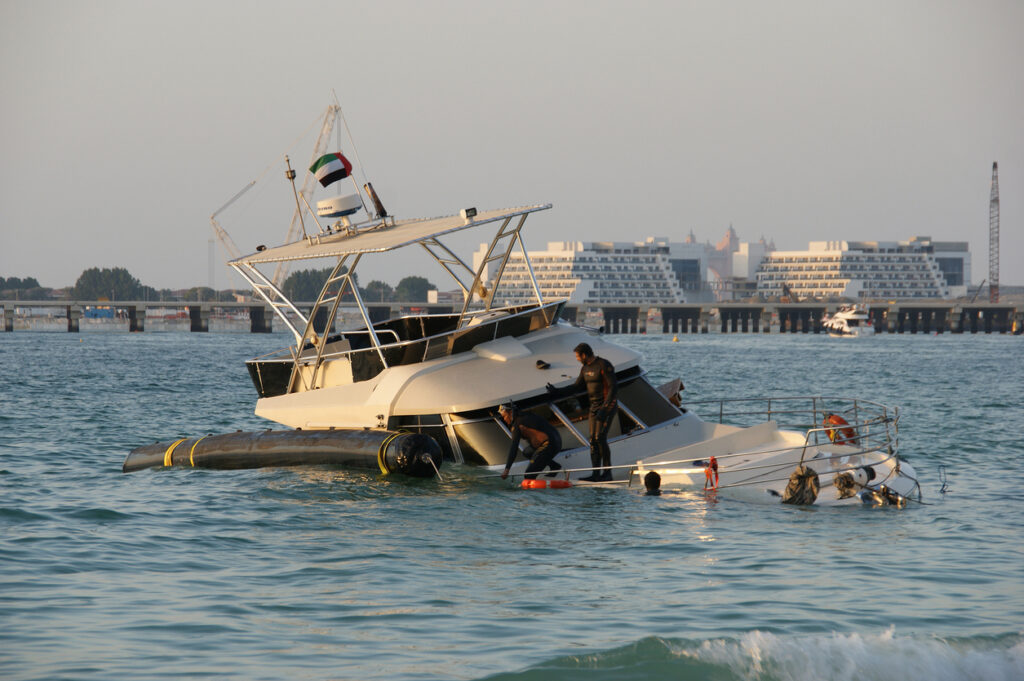
How a Boat Accident Lawyer Establishes Negligence in Cases
Proving negligence is key to any boat accident claim. A boat accident lawyer who succeeds in building a negligence case must show critical legal elements: duty of care, breach of duty, causation, and damages.
The first step is to establish that the party at fault owed a duty to operate the boat safely. This duty demands adherence to all boating laws, safety regulations, and reasonable care standards. Every boat operator must take precautions to prevent foreseeable harm to passengers and others on the water.
Next, it is shown that there was a breach of that duty—for example, reckless or careless actions such as speeding, boating under the influence, ignoring weather warnings, or failure to maintain equipment properly. When these breaches occur, the resulting accident and injuries often become legally attributable to the responsible party.
Causation links the breach directly to the accident and the injuries sustained. A boat accident lawyer gathers evidence to demonstrate that the breach was the proximate cause of harm. This involves investigating accident reports, interviewing witnesses, and collecting physical evidence like photographs of damage or GPS/black box data showing boat speed and actions.
Finally, damages are established, showing the victim suffered losses such as medical bills, lost income, pain and suffering, and rehabilitation costs. Courts consider these factors when awarding compensation to make the injured party “whole” again.
Gathering Evidence to Prove Negligence in Boat Accident Claims
Detailed investigations are central to proving negligence in a boat accident. A boat accident advocate will gather:
- Police and water patrol reports that document conditions and operator behavior.
- Eyewitness testimonies confirming negligence or unsafe practices.
- Boating logs and GPS data that track speed, direction, and actions before the accident.
- Photographs and videos showing damage, weather, and accident scene.
- Toxicology reports proving intoxication if impairment is suspected.
This evidence provides a comprehensive view, allowing legal professionals to build a persuasive case that the defendant’s careless conduct directly caused the accident and injuries.
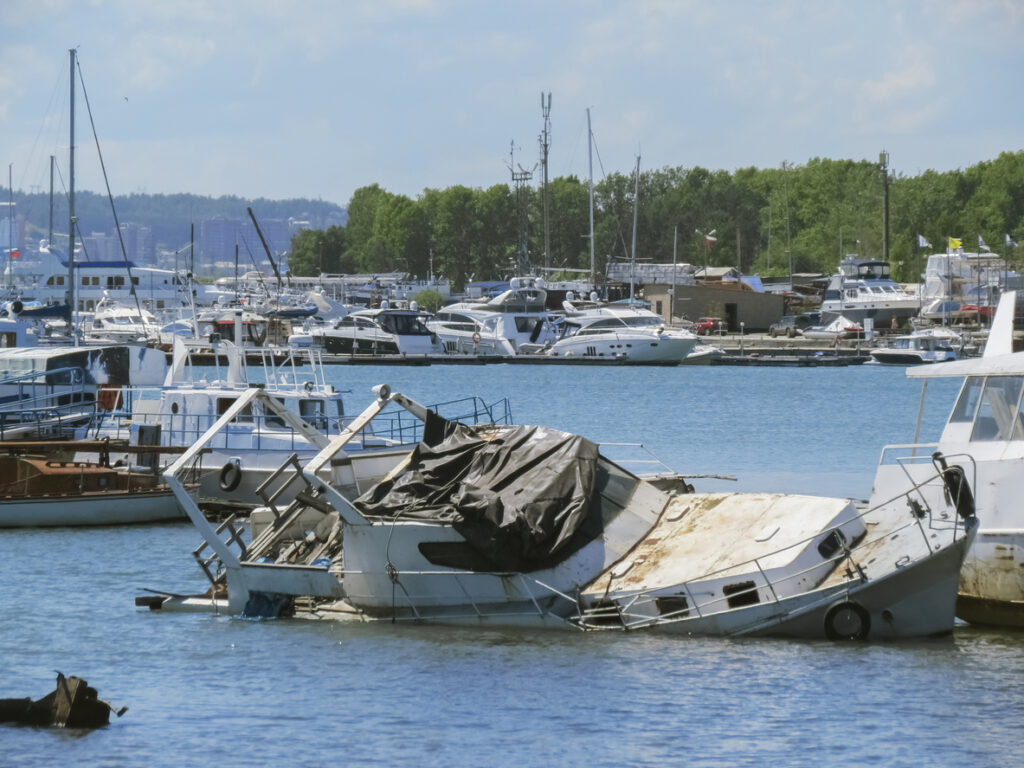
Legal Standards of Negligence and Liability in Boating Accidents
Negligence in boating accidents is treated under maritime law and applicable state regulations. According to judicial standards, negligence involves failing to exercise reasonable care, meaning doing something that a careful person would not do under similar circumstances or failing to do something they should have done. The causation of damage and resulting injury must be reasonably foreseeable.
A key legal duty is the responsibility to provide a seaworthy vessel and ensure safety equipment like lifejackets is available and accessible. Operators ignoring these responsibilities expose themselves to liability if accidents occur.
The injured party is entitled to compensation for actual losses, including medical care, lost earnings, pain, suffering, and other related expenses like rehabilitation or special equipment. Family members may have claims for loss of consortium due to serious injuries.
How Understanding Common Causes Helps Victims Pursue Claims
Awareness of typical accident causes can help victims and their legal representation focus on specific negligent actions or conditions contributing to injury. Whether it’s operator intoxication, mechanical failure, or unsafe weather conditions, these facts are indispensable for proving fault.
For example, if an investigation shows an operator was speeding or ignoring capacity limits that caused capsizing, a boat accident lawyer with deep understanding of local laws can argue breach of duty. Documenting such causes improves chances for fair compensation.
Similarly, if weather conditions were ignored or safety requirements like lifejackets were unmet, these details strengthen the claim of negligence.
Resources for Boaters to Stay Informed and Safe
Boaters can reduce accidents by following safety recommendations outlined on official government sites like the U.S. Coast Guard (uscg.gov), which provides extensive guidance on boating safety, legal obligations, and accident prevention.
Understanding the causes and legal implications of boating accidents equips those affected to take appropriate steps, including consulting a boat accident lawyer to protect their rights.
Conclusion
Understanding the common causes of boat accidents and the legal process required to prove negligence is crucial for victims seeking justice. A boat accident lawyer skilled in demonstrating liability uses comprehensive evidence and legal standards to establish fault and secure compensation for wrongful injuries on the water.
Being aware of operator responsibilities, vessel maintenance, environmental risks, and how negligence is proven empowers boating accident victims and their advocates to navigate the complex legal waters involved in these cases.
For deeper insight into the legalities visit this knowledgeable boat accident lawyer.
For additional authoritative guidance on boating safety regulations and legal rights, consult the official United States Coast Guard boating safety information at https://www.uscgboating.org/.